


Snow, Ice, Slip and Fall Risks for Outdoor Workers
Published on Jan 8, 2018 at 6:39 pm in Posts.
While Illinois is known for cold winters, the recent stretch of arctic temperatures has tested even the most hearty Midwesterners. For those who make their living outdoors, the snow and ice not only can add up to unpleasant working conditions, but also can bring a risk of injury.
Specifically, outdoor workers during the winter months face a higher risk of slipping, tripping and falling than during other times of the year. The U.S. Bureau of Labor Statistics reported that in 2014, there were 34,860 slip-and-fall injuries involving ice, sleet or snow requiring workers to take at least one day off to recuperate. The BLS also reported thousands of other slip-and-fall accidents that did not result in lost work time.
 We grind. We tough it out. The subtle suppression of yawns could almost be considered part of our necessary skill set. We close our eyes “just for a second.” Just a second. What could go wrong?
 In late September of this year,
 Anybody who has ever worked a job where they spend most of the day on their feet is well-aware of the physical toll it can take.
 A new study by
 Work-related injuries in Illinois are compensable to employees under two conditions:
 Illinois workers’ compensation lawyers know that on-the-job safety can be largely dependent on company culture. A firm that prioritizes worker safety is going to have fewer workplace injuries, and that holds true even for some of the most dangerous industries. That’s because most worker injuries are preventable, if employers take the time to properly train, equip and supervise workers.
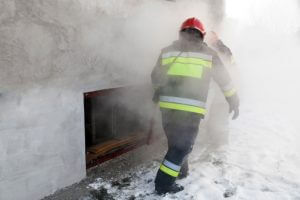 A number of legislative efforts over the last year have focused on making it simply for first responders grappling with PTSD to obtain workers’ compensation benefits.
 Hip implants are an unfortunate necessity for many Americans. They provide the mobility that may have been lost due to age, illness, or injury and restore quality of life that had previously been compromised. However, they don’t always live up to standards; implants and their accompanying mechanisms can fail, become misaligned, and succumb to numerous other malfunctions.